
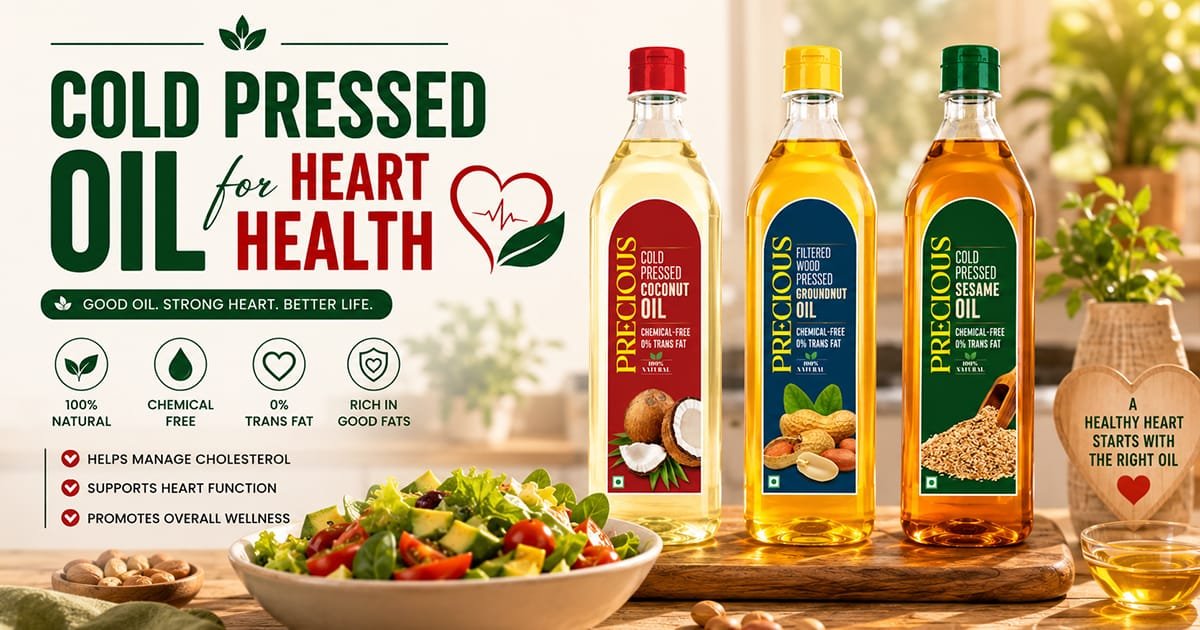
Are Cold Pressed Oils Good for the Heart? The Science-Backed Answer
Using cold pressed oil for heart health is not just wellness advice — it is science-backed nutrition. The antioxidants, phytosterols, and natural fatty acids in Precious cold-pressed oils directly support cardiovascular function in ways refined oils cannot.
Quick Answer: Yes, cold-pressed oils are genuinely good for heart health — but the quality of the oil matters enormously. Precious cold-pressed oils (groundnut, sesame, and coconut) retain their full natural antioxidants, heart-healthy fats, and phytosterols because they are never heated or chemically processed. These compounds help reduce LDL cholesterol, lower inflammation in blood vessels, and support healthy blood pressure — benefits that refined cooking oils simply cannot deliver.
Heart disease is the leading cause of death in India, responsible for over 28% of all deaths according to recent health data. Yet for most Indian families, the cooking oil they use every day rarely enters the conversation about heart health. That changes today.
This guide gives you an honest, science-grounded answer to one of the most important questions in Indian nutrition: are cold-pressed oils good for the heart? We look at the research, the chemistry, and the practical choices you can make starting with your next kitchen trip.
Contents
- 1 Understanding What Your Heart Actually Needs from Cooking Oil
- 2 The Fat Composition Advantage: Why Cold-Pressed Oils Win
- 3 The Antioxidant Difference: What Cold-Pressed Oil Has That Refined Oil Does Not
- 4 Phytosterols: The Cholesterol Blockers Hidden in Your Oil
- 5 Inflammation: The Hidden Connection Between Oil and Heart Disease
- 6 The Three Precious Oils: Cold Pressed Oil for Heart Health
- 7 Practical Heart-Healthy Cooking with Precious Oils
- 8 Who Benefits Most from Switching to Precious Cold-Pressed Oils?
- 9 What to Expect When You Switch
- 10 Frequently Asked Questions
- 10.1 Is cold pressed oil for heart health actually effective?
- 10.2 Which cold-pressed oil is best for heart health?
- 10.3 Can I use cold-pressed oil if I already have heart disease?
- 10.4 Does cold-pressed oil reduce cholesterol?
- 10.5 Is it safe to eat cold-pressed oil every day?
- 10.6 Does cooking with cold-pressed oil destroy its heart benefits?
- 11 Conclusion: Cold Pressed Oil for Heart Health Is the Smarter Choice
- 12 Using Cold-Pressed Oil for Heart Health: Daily Application
Understanding What Your Heart Actually Needs from Cooking Oil
Your heart is a muscle that beats 100,000 times a day. It is surrounded by arteries and veins that carry oxygen-rich blood to every organ. The health of these blood vessels — their flexibility, their freedom from blockages, their ability to dilate and contract properly — is what cardiovascular health really means.
Cooking oil affects heart health in four main ways:
- Fat composition: The type of fatty acids in your oil directly affects cholesterol levels and arterial inflammation
- Antioxidant content: Natural antioxidants in unrefined oils protect arterial walls from oxidative damage
- Inflammatory compounds: Certain processed fats and refined oil byproducts increase chronic inflammation, which is the root cause of most heart disease
- Phytosterols: Plant compounds in cold-pressed oils compete with cholesterol for absorption in the gut, actively reducing LDL levels
Refined cooking oils score poorly on all four measures. Precious cold-pressed oils perform well on all four. Here is the detailed breakdown.
The Fat Composition Advantage: Why Cold-Pressed Oils Win
Monounsaturated Fats (MUFA): The Heart’s Favourite
Monounsaturated fats — particularly oleic acid (Omega-9) — are the most heart-friendly fats in the diet. They actively lower LDL (bad) cholesterol while maintaining or raising HDL (good) cholesterol. This is the mechanism behind the Mediterranean diet’s famous cardiovascular benefits.
Precious Wood-Pressed Groundnut Oil contains approximately 46% oleic acid (MUFA) — a percentage comparable to olive oil, which is widely celebrated for its heart benefits. Indian groundnut oil, properly cold-pressed, delivers the same oleic acid content plus additional protective compounds like resveratrol that olive oil lacks.
Polyunsaturated Fats (PUFA): Essential for Every Cell
PUFAs include the Omega-6 (linoleic acid) and Omega-3 (alpha-linolenic acid) fatty acids that the body cannot make on its own. They are essential for building cell membranes, producing hormones that regulate inflammation, and maintaining blood fluidity.
Precious Sesame Oil contains approximately 45% linoleic acid (Omega-6 PUFA) alongside significant MUFA content, giving it an excellent fatty acid profile for heart health. The balance between Omega-6 and Omega-9 in sesame oil is particularly well-suited for Indian cooking patterns.
Medium-Chain Triglycerides (MCT): A Different Kind of Heart Support
Precious Cold-Pressed Coconut Oil is unique among cooking oils because it is predominantly composed of MCTs — particularly lauric acid (about 50% of its fat content). MCTs are metabolised differently from long-chain fats: they are sent directly to the liver where they are converted to energy rather than stored.
Lauric acid raises HDL (good) cholesterol, which plays a vital role in reverse cholesterol transport — pulling excess cholesterol from arterial walls back to the liver for processing. Used in appropriate amounts as part of a balanced diet, cold-pressed coconut oil supports rather than harms the heart.
What About Saturated Fat in Coconut Oil?
Coconut oil is high in saturated fat — approximately 90% — and this often raises concern. The nuance is that not all saturated fats affect the heart equally. The MCT saturated fats in coconut oil behave differently from the long-chain saturated fats in dairy or red meat. Research specifically on coconut oil shows it predominantly raises HDL cholesterol (beneficial) alongside any increase in LDL, and that the overall cardiovascular impact depends heavily on the total dietary pattern.
Used in traditional amounts as part of a diet rich in vegetables, whole grains, and legumes — as in South Indian cuisine — Precious Coconut Oil has been part of one of the most heart-healthy dietary traditions in the world for centuries.
The Antioxidant Difference: What Cold-Pressed Oil Has That Refined Oil Does Not
This is arguably the most important section in this entire guide.
Oxidative stress is what happens when free radicals damage cells — including the smooth muscle cells that line your arteries. Oxidised LDL cholesterol (LDL that has been damaged by free radicals) is far more dangerous than regular LDL — it triggers the immune response that forms arterial plaques. This plaque-building process, called atherosclerosis, is the direct cause of most heart attacks and strokes.
The natural antioxidants in cold-pressed oils — Vitamin E (tocopherols), polyphenols, sesame lignans, and resveratrol — directly protect LDL cholesterol from oxidation. They are, quite literally, your body’s shield against arterial plaque formation.
Vitamin E: The Primary Guardian
All three Precious cold-pressed oils retain significant amounts of Vitamin E (tocopherols). Vitamin E is fat-soluble, meaning it works directly inside lipoproteins like LDL to prevent them from being oxidised. A diet rich in Vitamin E from natural food sources is consistently associated with lower rates of heart disease in population studies.
Refined oil destroys 80–90% of naturally occurring Vitamin E during the bleaching and high-temperature processing stages. Synthetic Vitamin E is sometimes added back, but research consistently shows that naturally occurring food-matrix Vitamin E is more effective than synthetic supplementation.
Sesamol and Sesamin: Sesame’s Exclusive Heart Shield
Precious Cold-Pressed Sesame Oil contains a family of antioxidant compounds called lignans — specifically sesamol, sesamin, and sesamolin. These compounds are found only in sesame and are destroyed by high-temperature refining. They cannot be added back synthetically.
Multiple clinical studies have examined sesame oil specifically for heart health:
- A study in the Journal of Medicinal Food found that hypertensive patients who substituted sesame oil for other cooking fats showed significant reductions in blood pressure, LDL cholesterol, and oxidative stress markers over 45 days
- Research published in the Yale Journal of Biology and Medicine showed sesame oil’s sesamol specifically inhibits LDL oxidation — the process that triggers plaque formation
- Sesamol has been shown to reduce inflammatory cytokines associated with arterial inflammation
These effects require the lignans to be present — which is only possible in cold-pressed sesame oil. Refined sesame oil, having been heated to 260°C during deodorising, retains none of them.
Resveratrol: The Groundnut’s Secret Weapon
Resveratrol is the compound that made red wine famous for heart health. Less well known is that groundnuts (peanuts) are also a significant source of resveratrol. Precious Wood-Pressed Groundnut Oil retains resveratrol from its careful, low-temperature extraction process.
Resveratrol has demonstrated several cardiovascular benefits in research:
- Reduces platelet aggregation (the clumping that can cause blood clots)
- Acts as a vasodilator — relaxing and widening blood vessels, which reduces blood pressure
- Inhibits the oxidation of LDL cholesterol
- Has anti-inflammatory effects in arterial walls
High-temperature refining destroys resveratrol completely. Only cold-pressed groundnut oil retains it.
Phytosterols: The Cholesterol Blockers Hidden in Your Oil
Phytosterols (plant sterols) are compounds in seed oils that are structurally similar to cholesterol. When you eat them, they compete with cholesterol for absorption in your digestive system — effectively blocking a significant portion of dietary and bile cholesterol from entering your bloodstream.
Clinical research has established that consuming 2–3 grams of phytosterols daily can reduce LDL cholesterol by 8–10%. This is why phytosterols are added to certain fortified margarines and functional foods as a cholesterol-lowering intervention. They are a genuinely effective tool against high cholesterol.
Precious cold-pressed oils naturally contain phytosterols — primarily β-sitosterol, campesterol, and stigmasterol. These are retained because cold pressing does not heat the oil enough to degrade them.
Refined oils lose the majority of their phytosterol content during the bleaching and deodorising steps. By choosing Precious, you get a daily dose of these natural cholesterol-blockers in every meal cooked with our oils.
Inflammation: The Hidden Connection Between Oil and Heart Disease
Modern research has shifted how we understand heart disease. It is no longer seen purely as a plumbing problem (too much cholesterol blocking pipes). It is increasingly understood as an inflammatory process — chronic, low-level inflammation in arterial walls that triggers immune responses, plaque formation, and ultimately heart attacks and strokes.
The cooking oil you use every day has a direct impact on your body’s inflammatory state.
Anti-inflammatory Fats in Precious Oils
The oleic acid (MUFA) in Precious Groundnut Oil is directly anti-inflammatory — it reduces the activity of inflammatory cytokines (cellular signals that trigger inflammation). The PUFA in sesame oil has similar effects when the Omega-6 to Omega-3 ratio is well-balanced and the fats have not been damaged by high-heat processing.
How Refined Oil Promotes Inflammation
Refined oil has two specific ways it can increase inflammation:
- Oxidised fats: High-temperature processing creates oxidised fatty acids that directly trigger inflammatory pathways in the body. Reused frying oil and heavily processed refined oils are particularly high in these compounds.
- Trans fats from deodorising: While India’s FSSAI has moved to restrict trans fats, the deodorising process (heating oil to 260°C under pressure) can still create small amounts of trans fatty acids. Even tiny amounts of trans fats significantly increase CRP (C-reactive protein) — a key marker of systemic inflammation.
Precious cold-pressed oils contain no trans fats and no oxidised fatty acids from processing. Their natural antioxidants additionally help counter oxidative stress from other dietary sources.
The Three Precious Oils: Cold Pressed Oil for Heart Health
Precious Wood-Pressed Groundnut Oil
The everyday workhorse of heart-healthy Indian cooking. Precious Groundnut Oil is your best choice for most daily cooking — curries, tadkas, stir-fries, and frying.
Heart benefits:
- ~46% oleic acid (MUFA) actively lowers LDL and maintains HDL
- Resveratrol prevents LDL oxidation and relaxes blood vessels
- Vitamin E (fully retained) protects against arterial oxidative stress
- Phytosterols block dietary cholesterol absorption
- Zero trans fats or chemical residues
Precious Cold-Pressed Sesame Oil
The most intensively studied of all Indian cooking oils for heart health. Precious Sesame Oil is particularly recommended for those managing cholesterol, blood pressure, or general cardiovascular risk.
Heart benefits:
- Sesamol and sesamin — unique to sesame — directly reduce LDL oxidation
- Clinical evidence for blood pressure reduction
- Anti-inflammatory lignans reduce arterial inflammation
- Balanced MUFA/PUFA profile for healthy cholesterol levels
- Vitamin E and Vitamin K both retained
Precious Cold-Pressed Coconut Oil
The traditional choice for South Indian cooking and a functional food with legitimate heart health research behind it when used appropriately. Precious Coconut Oil is particularly beneficial as part of a plant-rich traditional Indian diet.
Heart benefits:
- Lauric acid raises HDL (good) cholesterol significantly
- MCT fats metabolised for energy rather than stored — reduced fat accumulation
- Polyphenols in cold-pressed coconut oil have anti-inflammatory effects
- Lauric acid has antimicrobial properties that may reduce low-grade infections (a risk factor for heart disease)
Practical Heart-Healthy Cooking with Precious Oils
Daily Cooking Patterns That Support Heart Health
Choosing the right oil is step one. Using it correctly matters too. Here is a practical guide to cooking with Precious oils in a way that maximises heart benefit:
- Use medium heat: Cook at medium rather than maximum flame. This preserves the antioxidant content of the oil and prevents the formation of harmful compounds. Your food will take a few minutes longer but taste noticeably better.
- Do not reuse oil: Reheating oil repeatedly — especially for frying — degrades fatty acids and creates oxidised compounds. Dispose of used frying oil after one use.
- Measure your portions: 2–3 tablespoons of oil per person per day is a reasonable heart-healthy target. The rich flavour of Precious cold-pressed oils means you naturally use slightly less.
- Use different oils for different purposes: Precious Groundnut Oil for everyday cooking, Precious Sesame Oil for tempering and South Indian dishes, Precious Coconut Oil for specific regional dishes and baking.
- Use raw when possible: Drizzling Precious Sesame Oil or Groundnut Oil over a finished dish or salad delivers maximum antioxidant benefit without any heat degradation.
Heart-Healthy Indian Recipes Using Precious Oils
Sesame-Dressed Sprout Salad
Toss sprouted moong beans with cucumber, tomato, and coriander. Drizzle with 1 tablespoon of Precious Sesame Oil, add lemon juice, and season. Eaten raw, the sesamol and Vitamin E in the oil are fully intact and bioavailable.
Groundnut Oil Dal Tadka
Prepare your standard dal (masoor, moong, or toor). For the tadka, heat Precious Groundnut Oil on medium heat. Add mustard seeds, curry leaves, dried red chilli, and garlic. The natural aroma compounds in the oil release beautifully at medium heat without degrading.
Coconut Oil Vegetable Stir-Fry (Thoran style)
Heat Precious Coconut Oil in a pan on medium heat. Add mustard seeds and curry leaves for tempering, then add finely chopped cabbage or beans with grated coconut. The coconut oil’s MCTs and the lauric acid remain intact at the moderate cooking temperature used for this dish.
Who Benefits Most from Switching to Precious Cold-Pressed Oils?
Cold-pressed oils benefit everyone, but certain groups see the most significant health difference when they make the switch:
- People with high LDL cholesterol: The phytosterols, MUFA, and antioxidants in Precious oils directly address the mechanisms of high LDL. Combined with a vegetable-rich diet and regular physical activity, the switch to cold-pressed oil can meaningfully improve cholesterol profiles.
- People with high blood pressure: Precious Sesame Oil specifically has clinical evidence for modest blood pressure reduction. The resveratrol in Precious Groundnut Oil also supports vascular flexibility.
- Diabetics and pre-diabetics: Heart disease risk is significantly elevated in diabetics. The anti-inflammatory properties of cold-pressed oils and their clean fat composition help manage a key driver of cardiovascular risk in this group.
- People with a family history of heart disease: Genetic risk cannot be changed, but dietary choices significantly modify the expression of cardiovascular risk. Switching to Precious cold-pressed oils is one of the most straightforward and immediate dietary changes available.
- Older adults: Oxidative stress accumulates with age. The full antioxidant content of cold-pressed oils provides meaningful daily protection against the oxidative damage that drives age-related cardiovascular decline.
What to Expect When You Switch
Dietary changes take time to show in lab results. If you switch fully to Precious cold-pressed oils and make complementary changes (more vegetables, less processed food, moderate exercise), here is a realistic timeline:
- Weeks 1–2: Noticeable improvement in food flavour. The rich aroma and taste of Precious oils transforms everyday dishes. You may find you are satisfied with slightly less food because the flavour signals are stronger.
- Weeks 4–6: If you were eating refined oil daily before, your overall intake of oxidised fats and synthetic preservatives drops significantly. This may contribute to reduced digestive discomfort and reduced systemic inflammation.
- Months 3–6: Cholesterol profiles typically begin to reflect dietary changes at this timeframe. Combined with diet and lifestyle changes, studies show meaningful improvements in LDL and HDL ratios for people who switch to cold-pressed oils with high MUFA content.
Remember that oil is one component of diet. The full benefit is realised in the context of a traditional Indian diet rich in vegetables, pulses, whole grains, and spices — the dietary pattern that Precious is designed to complement.
Frequently Asked Questions
Is cold pressed oil for heart health actually effective?
Yes. Precious cold-pressed oils retain all naturally occurring antioxidants (Vitamin E, sesamol, resveratrol), phytosterols, and heart-healthy fatty acids that are destroyed in refined oils. These compounds actively reduce LDL cholesterol, prevent LDL oxidation (which causes arterial plaque), lower inflammation, and in the case of sesame oil, have clinical evidence for reducing blood pressure.
Which cold-pressed oil is best for heart health?
For cholesterol and blood pressure management, Precious Sesame Oil has the most specific research evidence, particularly for its sesamol lignans. For everyday cooking versatility with heart benefits, Precious Groundnut Oil is the best choice with its high MUFA content and resveratrol. Precious Coconut Oil is best used in traditional South Indian cooking amounts as part of a balanced diet, where it raises beneficial HDL cholesterol.
Can I use cold-pressed oil if I already have heart disease?
Consult your cardiologist or nutritionist for specific personalised advice. In general, replacing refined oils with cold-pressed oils aligns with standard dietary recommendations for cardiovascular health — increasing MUFA, reducing trans fats, and increasing antioxidant intake. However, individual conditions and medications may affect what is appropriate for you specifically.
Does cold-pressed oil reduce cholesterol?
Cold-pressed oils support healthy cholesterol management through multiple mechanisms: MUFA lowers LDL and maintains HDL; phytosterols block cholesterol absorption in the gut; antioxidants prevent LDL oxidation; and sesame oil’s lignans have specifically demonstrated LDL-lowering effects in clinical studies. They are not a medical treatment and should not replace prescribed medication, but they are a meaningful dietary tool for cholesterol management.
Is it safe to eat cold-pressed oil every day?
Yes. Precious cold-pressed oils are natural, FSSAI-compliant, and suitable for daily use. Two to three tablespoons per day as part of a balanced diet is appropriate for most healthy adults. Those with specific medical conditions should follow their healthcare provider’s guidance on fat intake.
Does cooking with cold-pressed oil destroy its heart benefits?
Some antioxidants are partially reduced at high temperatures, but significant amounts are retained at the moderate cooking temperatures used in most Indian cooking (below 180°C). The key is to avoid overheating — cook on medium flame, and if you see smoke, reduce the heat immediately. Using cold-pressed oil raw (drizzled on salads or finished dishes) delivers the maximum nutritional benefit.
Conclusion: Cold Pressed Oil for Heart Health Is the Smarter Choice
Switching to cold pressed oil for heart health is one of the simplest, most effective dietary changes an Indian family can make. The science is clear and consistent: cold-pressed oils, made properly and used correctly, offer genuine, meaningful heart health benefits that refined oils cannot match. The difference is not marginal — it is the difference between an oil that actively supports your cardiovascular health through antioxidants, phytosterols, and clean fats, and an oil that delivers calories and nothing else.
Precious cold-pressed oils — groundnut, sesame, and coconut — are made using the traditional wood-press method that has nourished generations of Indian families. They retain every compound nature put into the seed. They taste of real food. And they give your heart exactly what it needs from every meal you cook.
The switch costs you no extra effort. It costs you no change in your recipes. It costs you a small premium per bottle that pays for itself in nutrition your body can actually use.
Your heart is worth it. Explore Precious cold-pressed oils at shop Precious cold pressed oils
Using Cold-Pressed Oil for Heart Health: Daily Application
Choosing cold-pressed oil for heart health is one of the most evidence-supported dietary decisions an Indian household can make. Cold-pressed oil for heart health works through multiple pathways simultaneously: MUFA lowers LDL, antioxidants prevent LDL oxidation, phytosterols block cholesterol absorption, and sesame lignans specifically reduce blood pressure. No refined oil provides any of these benefits.
For people managing cardiovascular risk, switching to Precious cold-pressed oils is not a dramatic intervention — it is a daily, cumulative one. Using cold-pressed oil for heart health in every meal means every meal contributes to the outcome, not just special occasions or supplements.
Not sure which cold pressed oil suits your heart health goals? Our guide to the best cold pressed cooking oil in India compares all options side by side.
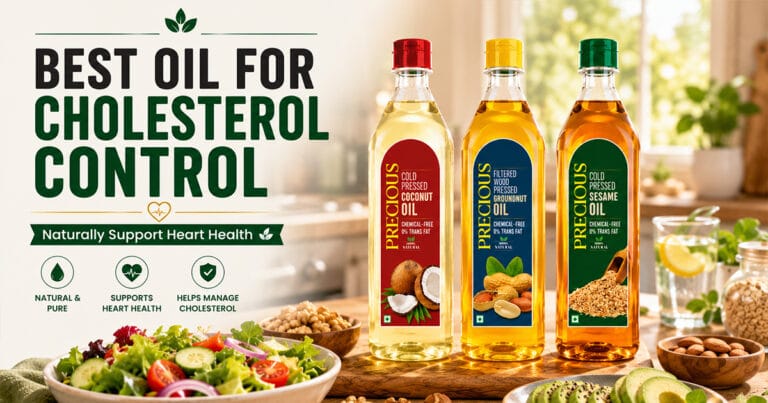
For specific cholesterol management insights, read our focused guide on the best oil for cholesterol control. Still weighing your options? See exactly how cold pressed oil compares to refined oil in nutrition and processing.
Further reading: NCBI: Dietary fat and cardiovascular disease. WHO Cardiovascular Disease Fact Sheet — India carries the highest global burden of heart disease.
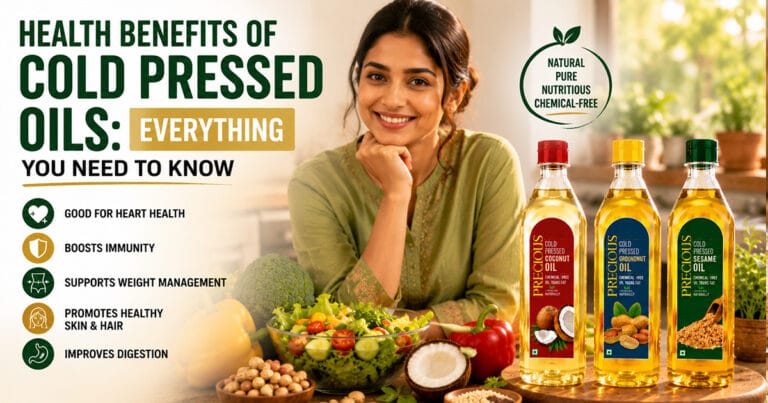
Related reading on Precious blog: Health Benefits of Cold Pressed Oils: Everything You Need to Know — a complete guide to antioxidants, vitamins, and why traditional cold pressed oils support overall wellness.
Disclaimer: This article provides general nutritional information and is not a substitute for professional medical advice. Always consult your doctor or cardiologist regarding diet changes, especially if you have existing heart conditions or are on medication. All Precious products are FSSAI compliant.
Try These Recipes with Precious Cold Pressed Oil

Written by
Suren is the co-founder of KN Agro Concepts and the creator of Precious cold-pressed oils. Based in Tamil Nadu, he has spent years working directly with traditional Mara Chekku wood-press artisans to bring authentic, chemical-free oils from Coimbatore to health-conscious families across India. He writes about cold-pressed oil, traditional Indian food practices, and the science of natural nutrition.
Follow on Facebook →
One Comment